Your travel expert
Xavier Amigo
Responsible for naturalist, botanical and ornithological travel. Responsible of fixing and professional contact.

 https://birding-experience.com/wp-content/uploads/2024/09/Panama-Quetzal-resplendissant-Pharomachrus-mocinno-Resplendent-quetzal-DB-7324-1240x700.jpg
The richness of Panama's natural environments and its vast protected lands make it a prime destination for birdwatchers and nature lovers. Nestled between Costa Rica and Colombia, bordered by the Caribbean Sea on one side and the Pacific Ocean on the other, Panama benefits from a strategic geographical location that has fostered the existence of a large number of animal and plant species.
Passionate about birds and nature? Our guides know the best spots.
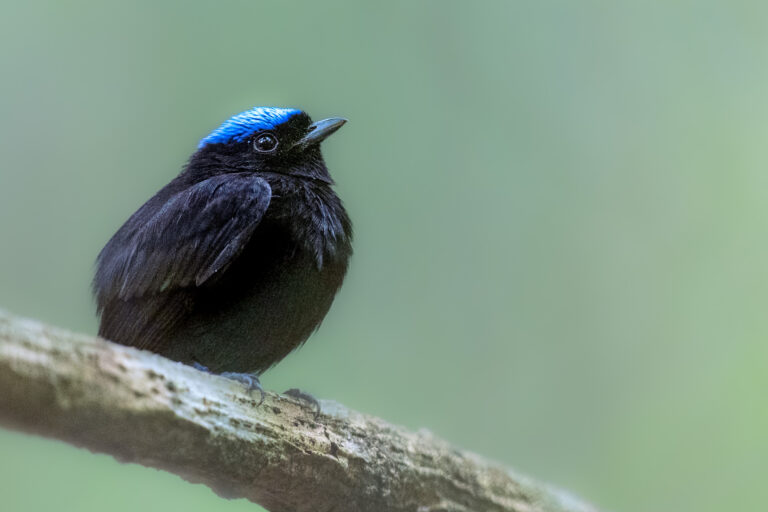
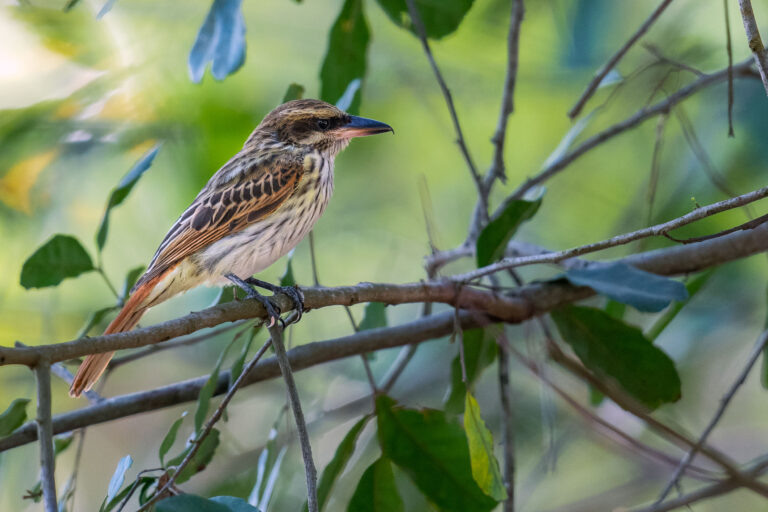
From the Panama Canal Zone to the east of Darien, passing through Torti, the humid forests of Soberanía National Park, and the legendary Pipeline Road, you will have the opportunity to traverse world-class observation areas where many regional endemic species live. For photographers, numerous facilities will be available: gardens and hummingbird feeders, such as in Cerro Azul, the Gamboa area, and the Metropolitan Park of Panama City, which is home to several species of manakins, tanagers, and other colorful neotropical birds, as well as many aquatic species along the Panama Canal. Here, you will find numerous representatives of the most distinctive neotropical families: woodcreepers, toucans, jacamars, motmots, manakins, antbirds, cotingas, tinamous, along with a plethora of tanagers, tyrant flycatchers, and parrots.
 Bird photo tours
 Birdwatching tours
Your travel expert
Xavier Amigo
Responsible for naturalist, botanical and ornithological travel. Responsible of fixing and professional contact.
Upon arrival at Panama City Airport, you will be greeted by your bilingual local guide and transferred to your hotel, located in the historic Canal Zone. Nestled in a scenic, nature-rich setting, the hotel provides convenient access to some of the best birdwatching sites in the Panama Canal rainforest.
Depending on flight arrival times, we may have the opportunity for our first bird observations around the hotel grounds, where several typical species of the area can often be seen. Before dinner, your guide will give a short orientation presentation outlining the journey ahead.
Overnight stay in Panama City.
Private transfer, specialised bilingual guide, dinner, overnight stay.
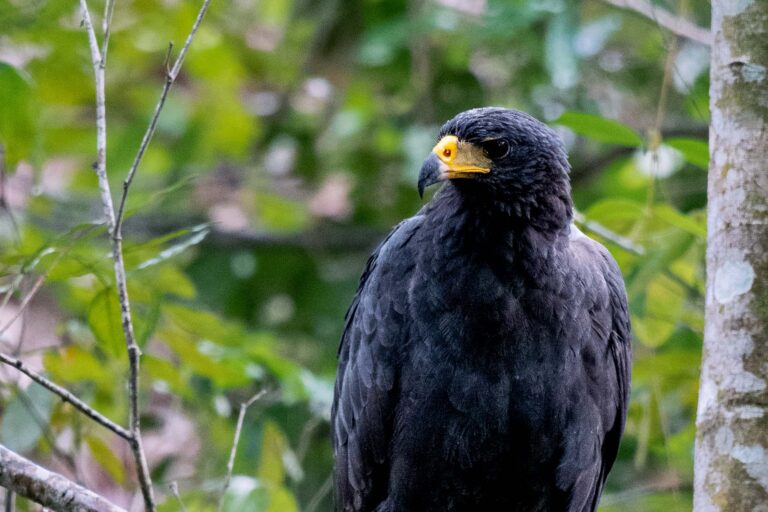
Gray-necked Wood-Rail, Common Black Hawk, Short-tailed Nighthawk, Least Nighthawk, Buffon's Hummingbird, Snowy-bellied Hummingbird, Great Curassow, Common Ground Dove, Cinnamon Woodpecker, Lafresnaye's Piculet, Black-bellied Wren, Plain Wren, Plain-brown Woodcreeper, Olivaceous Woodcreeper, Black-crowned Antshrike, Yellow-olive Flycatcher, Crowned Slaty Flycatcher, Tawny-crowned Greenlet, Panama Flycatcher, Choco Tyrannulet, Rufous-browed Peppershrike, Thick-billed Seed-Finch, Dickcissel, Indigo Bunting, Yellow-throated Vireo, Yellow-tailed Oriole, White-vented Euphonia.
We begin the trip with a bang. After an early breakfast, our guide will pick us up at the hotel for a full day of birding along the legendary Pipeline Road. Located about 45 minutes west of Panama City, just past the village of Gamboa, this trail enters Soberanía National Park, which protects more than 22,000 hectares of lush tropical forest.
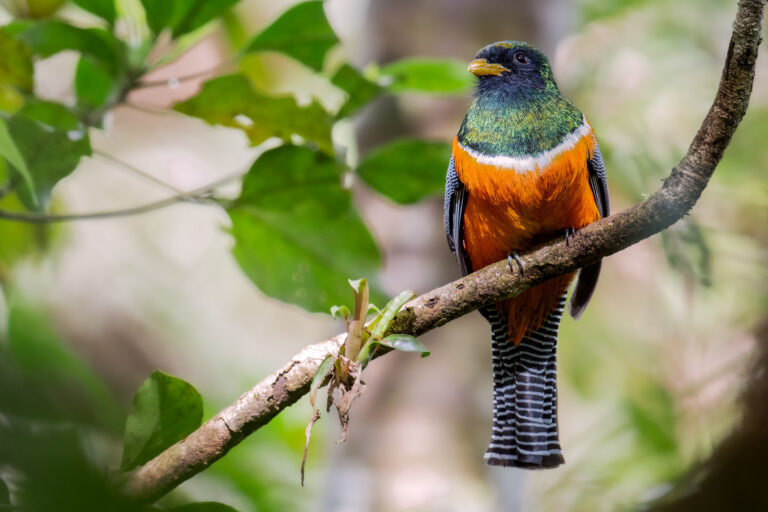
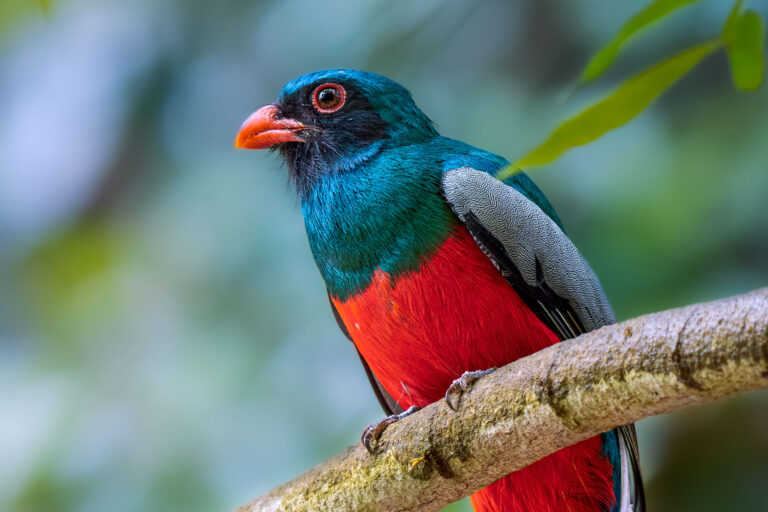
Pipeline Road is considered one of the world’s premier birding destinations, often producing daily lists of extraordinary diversity. Here, we may encounter manakins, tanagers, trogons, woodcreepers, toucans, and many others. With over 400 species recorded, this is one of the very best sites to experience the birdlife of the Central American rainforest. The lower stretches of the trail run through well-regenerated secondary forest interspersed with patches of primary forest, where rarer species dwell. We will concentrate on these specialties, and with luck, may even find two species of trogon. Following army ant swarms, we will also search for the many antbird species that shadow them, with expert help from our guide.
In the afternoon, we turn to complementary wetland and aquatic habitats around Gamboa, where highlights may include the striking Oriole Blackbird. We return to our hotel near the Panama Canal in the evening.
Overnight near the Canal Zone.
Private transport, specialised bilingual guide, all meals included, overnight stay.
Great Tinamou, White-throated Crake, Wattled Jacana, Anhinga, Pinnated Bittern, Striated Heron, Long-winged Harrier, Slaty-tailed Trogon, Black-throated Trogon, Mealy Amazon, Bare-throated Pigeon, Mangrove Swallow, Caribbean Motmot, Black-crowned Antshrike, Barred Antshrike, Spotted Antbird, Tawny-throated Leaftosser, Dusky Antbird, White-flanked Antwren, Spotted Antpitta, Spot-crowned Woodcreeper, Golden-collared Manakin, Yellow-thighed Manakin, Black-crowned Tityra, Blue Cotinga, Pale-billed Woodpecker, Black-breasted Puffbird, Collared Aracari, Keel-billed Toucan, Masked Tityra, Olive-sided Flycatcher, Piratic Flycatcher, Lesser Greenlet, Gray-headed Tanager, White-shouldered Tanager, Blue Dacnis, Variable Seedeater, Scarlet-rumped Cacique.
This morning, we explore another hotspot of the Panama Canal corridor, adding to our growing species list. Our birding walk will take us along the old Gamboa Road, which winds through shrub habitats, secondary forest, pastures, and open areas, offering a mix of ecosystems and easy opportunities for observation.
We will then continue to Plantation Road, located about 8 km south of Gamboa. Beginning just off the main road, this trail leads into evergreen forest that many consider even more beautiful than Pipeline Road. As we move slowly along the trail, we will watch for columns of army ants, which often draw in a variety of antbirds, woodcreepers, and other forest specialists. The more open shrub layer here provides good visibility, making it easier to track mixed flocks moving through the forest edge.
The trail also follows a scenic stream, where we may find additional species, while occasional forest clearings allow us to scan the canopy for treetop activity. Unlike Pipeline Road, no vehicles are permitted, which creates a quieter environment and makes photography particularly rewarding. Toward the top of the road, we will scan ponds and waterholes for kingfishers, crakes, and herons.
Overnight near the Canal Zone.
Private transport, specialised bilingual guide, all meals included, overnight stay.
Wood Stork, Great Potoo, Boat-billed Heron, Green Heron, Spine-tailed Swift, Garden Emerald, Barred Antshrike, Fasciated Antshrike, Cocoa Woodcreeper, Great-tailed Grackle, Red-throated Ant-Tanager, Black-tailed Trogon, American Pygmy Kingfisher, Lafresnaye's Piculet, Bicolored Antbird, Scaled Antpitta, Olivaceous Flatbill, Sulphury Flycatcher, Black-chested Jay, Black-and-blue Seedeater, Masked Tityra, Golden-hooded Tanager.
This morning we leave early for Cerro Azul (750 m), about an hour northeast of Panama City. Perched on the foothills of Chagres National Park, this region of elfin cloud forest offers a refreshing change of habitat and the chance to encounter species not found in the lowlands.
As we ascend, we will make several birding stops along the road, scanning viewpoints, forest edges, and lagoon margins for a variety of species. From tanagers and woodpeckers to mixed flocks moving quickly through the canopy, this area offers excellent opportunities for both birding and photography.
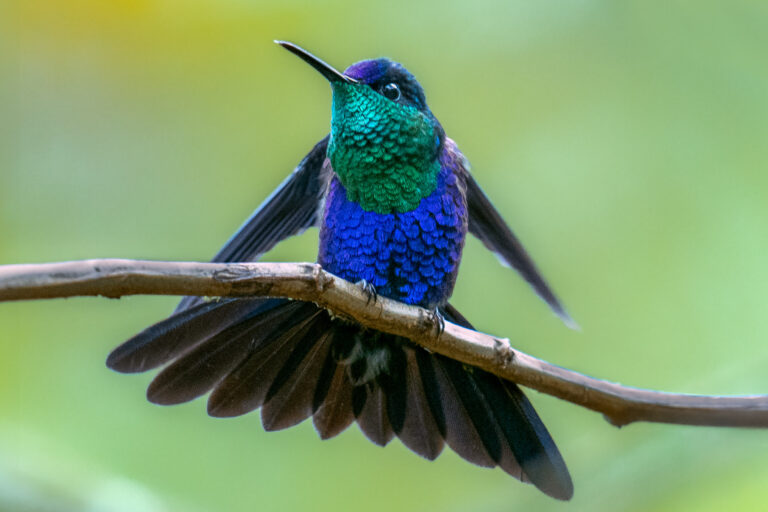
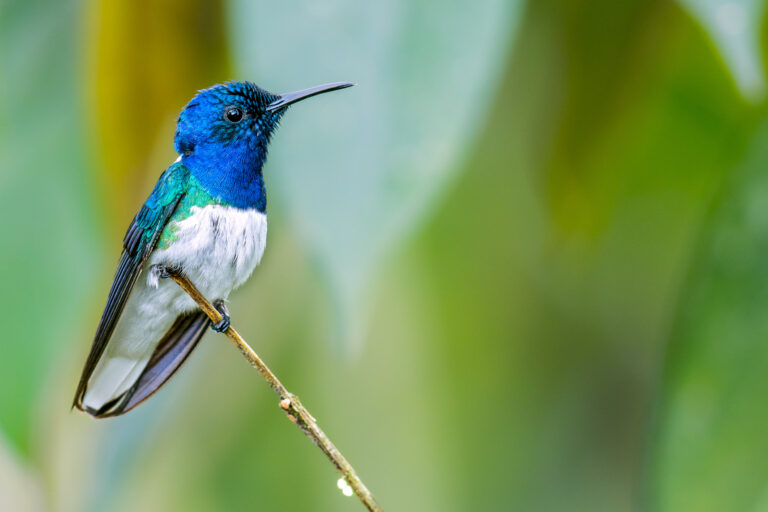
One of the highlights of the day will be a visit to the hummingbird gardens, where feeders often attract a dazzling array of species. With luck, we may spot the rare Violet-capped Hummingbird, alongside a kaleidoscope of more common hummers. The gardens also draw in warblers, euphonias, and opportunistic passerines, making it a lively stop.
In the afternoon, we continue exploring the cloud forests around Cerro Azul village and the adjacent higher trails of Chagres National Park (up to 1,000 m). This change in elevation increases our chances of adding several highland specialties to our growing trip list.
Overnight in the Canal Zone.
Private transport, specialised bilingual guide, all meals included, overnight stay.
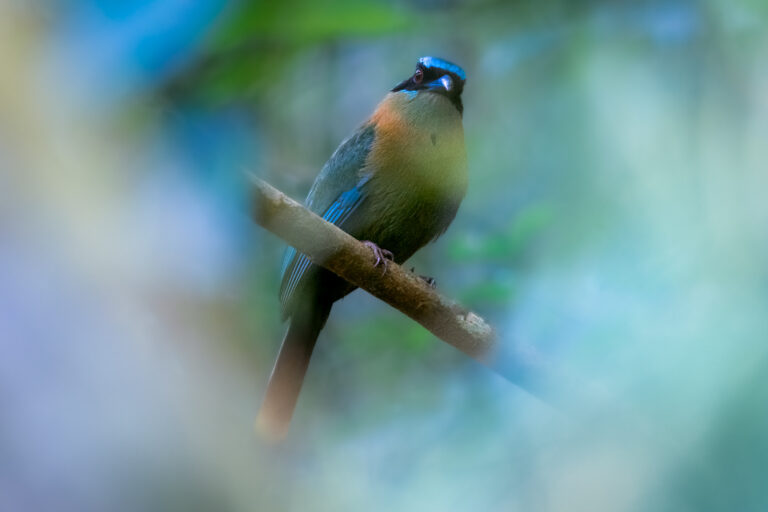
Crested Guan, Purple Gallinule, Least Grebe, Southern Lapwing, White-necked Jacobin, Green Hermit, Violet-capped Hummingbird, Violet-headed Hummingbird, Long-tailed Hermit, Bronzy Hermit, Buffon's Hummingbird, Crowned Woodnymph, Snowy-bellied Hummingbird, Charming Hummingbird, Spotted Antbird, Orange-bellied Trogon, Song Wren, Cocoa Woodcreeper, Keel-billed Toucan, Broad-billed Motmot, Brown-capped Tyrannulet, Fasciated Antshrike, Golden-crowned Warbler, Olive-backed Euphonia, Red-legged Honeycreeper, Shining Honeycreeper, Green Honeycreeper, Flame-colored Tanager, Crimson-backed Tanager, Golden-hooded Tanager, Yellow-faced Grassquit, Stripe-headed Brushfinch, White-vented Euphonia, Red-crowned Woodpecker, Crimson-backed Tanager, Streaked Saltator.
We depart early this morning, following National Route #1, a stretch of the legendary Pan-American Highway, heading east into the remote province of Darién — one of the most mysterious and biodiverse regions of the Neotropics.
Our first birding stop will be along the Llano–Cartí Road, a winding route that cuts through rich lowland forests. Taking advantage of the first light, we will search for rare and localized tanagers, while also scanning for wrens, flycatchers, puffbirds, woodcreepers, antbirds, and manakins moving through the understory and canopy. A picnic breakfastalong the way will allow us to maximize time in the field.
By midday, we continue eastward to the small rural town of Tortí, nestled in a bird-rich landscape. Depending on our arrival time, we will begin exploring the riverbanks for additional species before settling into our hotel. In the afternoon, we will visit a local hummingbird garden, where productive feeders draw in dazzling activity, often including species unrecorded elsewhere along our route.
Overnight in Tortí in a comfortable local hotel.
Private transport, specialised bilingual guide, all meals included, overnight stay.
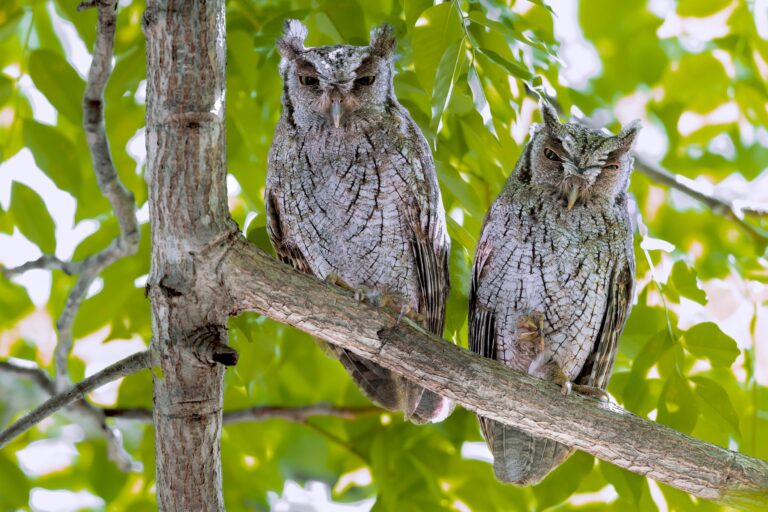
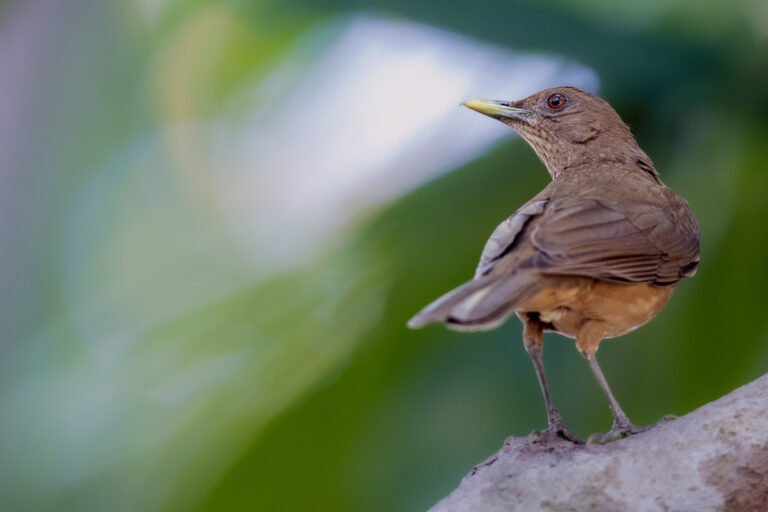
Common Black Hawk, Cocoi Heron, Great Blue Heron, Glossy Ibis, Purple Gallinule, Rufous-vented Ground-Cuckoo, Tropical Screech-Owl, Amazon Kingfisher, Violet-crowned Hummingbird, Golden-chinned Parakeet, Lance-tailed Manakin, Golden-collared Manakin, Sclater's Antwren, Pacific Antwren, Black Antshrike, Yellow-headed Oriole, Lesser Ground-Cuckoo, Moustached Antwren, Clay-colored Thrush, Ringed Kingfisher, Black-and-white Becard, Bran-colored Flycatcher, Lesser Elaenia, Lesser Greenlet, Long-tailed Hermit, Black Phoebe, Black-headed Tody-Flycatcher, Yellow-green Vireo, Chestnut-headed Oropendola.
The forest around the Tortí area offers us numerous alternatives to explore its avian richness, particularly the endemics of the lower Darién. San Francisco is a private reserve that protects one of the few remaining lowland forests in the eastern province of Panama, outside the Bayano region, and it is connected to the forests of the Maje range, visible from the main trail. It is home to many bird species of the Darién, which will be our targets today. We will look for manakin leks along the trail and take time to patiently wait for certain forest hummingbirds to arrive at the heliconia flowers, which are very common along the route. The trail crosses several streams where we will look for the curious Long-tailed Hermit, one of the most aesthetically pleasing tyrants of the Neotropics. We will search for certain fruiting trees that can attract an interesting variety of frugivores such as toucans, cotingas, flycatchers, euphonias, tanagers, dacnis, and honeycreepers. We will return to our hotel at the end of the day for a well-deserved night of rest. Evening meal and dinner at the same hotel in Tortí.
Private transport, specialised bilingual guide, all meals included, overnight stay.
Great Tinamou, King Vulture, Black Hawk-Eagle, Black-and-White Hawk-Eagle, Short-tailed Hawk, Broad-winged Hawk, Great Curassow, Spine-tailed Swift, Collared Aracari, Black-headed Parrot, Black-breasted Puffbird, Spotted Antbird, Pucheran's Woodpecker, Scaled Antpitta, Sclater's Antwren, Griscom's Antwren, Spotted Antbird, Yellow-thighed Manakin, Yellow-green Tyrannulet, Brownish Tyrannulet, Bright-rumped Attila, Crowned Slaty Flycatcher, Tawny-crowned Greenlet.
The Metetí region offers some of the best opportunities in Central America to observe species that typically occur mostly in South America.
Our main target will be the Harpy Eagle and the Crested Eagle, two of the most powerful and elusive raptors in the Neotropics. Sightings are never guaranteed, but if a Harpy Eagle nest is active during our visit, we will undertake an hour-long boat ride deep into the Darién in hopes of observing this magnificent bird in its natural habitat.
Beyond raptors, the area is rich in near-endemics and Darién specialties, which we will search for in forest edges, savannahs, and riparian wetlands around the village. These diverse habitats offer chances to add an impressive range of species to our list.
After dinner, we will set out on a night excursion, scanning quiet roads for nightjars, owls, and the impressive Great Horned Owl.
Evening meal and overnight stay in a comfortable hotel in Metetí.
Private transport, specialised bilingual guide, all meals included, overnight stay.
Little Tinamou, Grey-lined Hawk, Harpy Eagle, Crested Eagle, Veraguas Dove, Stripe-throated Hermit, Buffon's Hummingbird, Charming Hummingbird, Cuvier's Hummingbird, Golden-headed Manakin, Velvet-fronted Euphonia, Ruddy Quail-Dove, Red-lored Amazon, Pied Puffbird, Great Jacamar, White-flanked Antwren, Black-bellied Wren, Orange-bellied Trogon, Sharpbill, Yellow-breasted Flycatcher, White-browed Gnatcatcher, Rufous Nightjar, Great Potoo, Great Horned Owl, Mottled Owl.
This morning we will dedicate our last hours in the Metetí area to completing our bird list. Depending on the species still missing, our guide will propose different options to maximize our chances.
The biological corridor in this sector is of great ecological importance: it serves as both an altitudinal and latitudinal crossroads, linking ecosystems from the Pacific to the Caribbean and connecting the lowlands with the foothills. This mosaic of habitats makes it a haven for birds, including many species endemic to the Darién.
We will explore a range of sites, from higher ground around Metetí to the village outskirts, offering a last opportunity to enjoy the extraordinary biodiversity of this region. After lunch, we will begin our return journey along the Pan-American Highway, arriving back in Panama City by late afternoon.
Overnight in Panama City.
Private transport, specialised bilingual guide, all meals included, overnight stay.
Barred Forest-Falcon, Black-bellied Wren, Grey-cheeked Nunlet, Blue-and-yellow Macaw, Red-rumped Woodpecker, Blue Ground Dove, Red-throated Caracara, Band-rumped Swift, Black-throated Mango, Grey-cheeked Nunlet, Chestnut-colored Woodpecker, Red-billed Scythebill, White-headed Wren, Spotted Antbird, Bare-crowned Antbird, Scaly-throated Leaftosser, Great-tailed Grackle, Variable Seedeater.
On our final morning, we will embark on a boat excursion through the Panama Canal. As we pass alongside the enormous ships and cargo vessels navigating this narrowest point of the isthmus, our guide will share stories about the canal’s history and its place as one of the most iconic engineering feats of Central America.
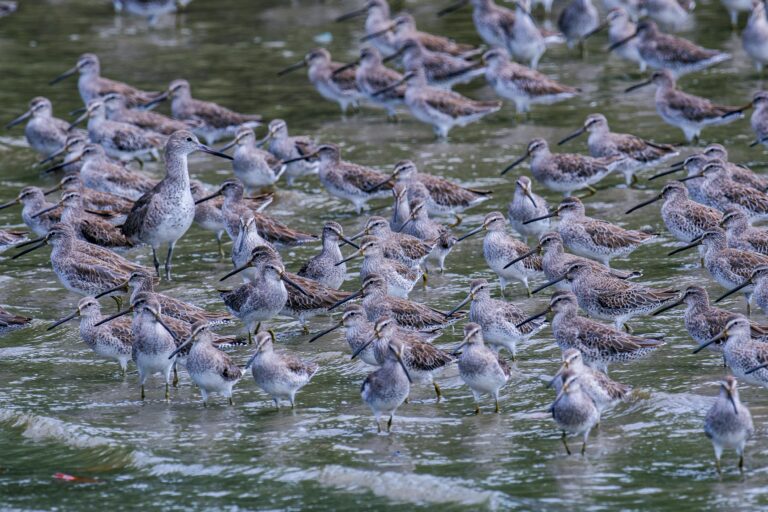
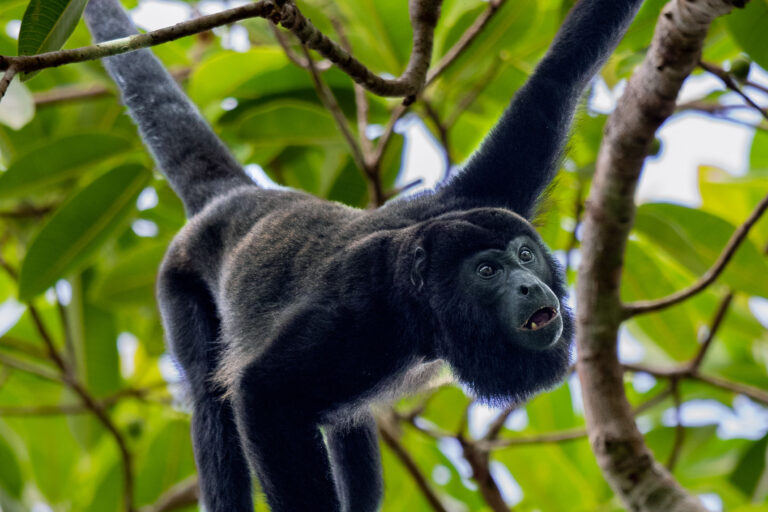
Leaving the main channel, our boat will slip quietly into the canal’s watershed, revealing a different world. Here we will explore a rich mosaic of habitats: mangroves, riparian forests, vegetated coves, and small jungle-clad islands. This setting provides opportunities to add a few last bird species to our list, while also encountering wildlife such as aquatic and marine birds, and even monkeys foraging in the treetops.
In the afternoon, we will return to our hotel in Panama City, where transport connections will be arranged for your international departure.
Private land transport, group river transport, specialised bilingual guide, all meals included, overnight stay.
Black-bellied Whistling Duck, Brown Pelican, Pinnated Bittern, Laughing Gull, Royal Tern, White-tailed Kite, Osprey, Bat Falcon, Magnificent Frigatebird, Scaled Pigeon, Black-crowned Night-Heron, Mealy Amazon, Mangrove Swallow and Rough-winged Swallow, Groove-billed Ani, Plain Wren, Streaked Flycatcher, Lesser Greenlet, Yellow Warbler.
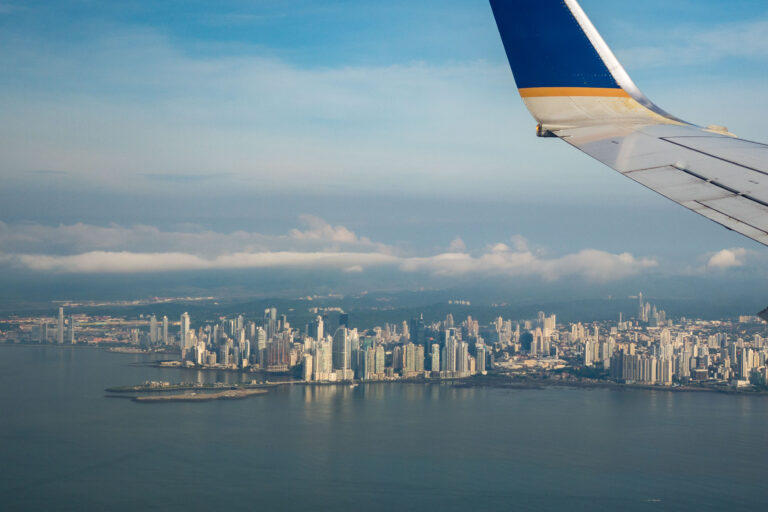
We begin our last day with a visit to Panama Viejo, northeast of the modern city, where the atmospheric ruins mark the site of the first Spanish settlement on the Pacific coast of the Americas. Founded in 1519, it became a vital link in the colonial trade routes before being destroyed by the pirate Henry Morgan.
From here, we continue to the heart of the capital’s historic quarter: Casco Viejo, a UNESCO World Heritage Site since 1980. Its charming cobblestone streets, shaded plazas, and restored colonial buildings tell the story of Panama’s role as a hub of empire and commerce. Highlights include France Square, with sweeping views of the modern skyline, the Las Bóvedas promenade, the Church of San José with its famous Golden Altar, and the remains of the Arco Chato. Once the home of French canal workers, the district has today become a lively neighbourhood where art galleries, cafés, and local workshops thrive among the colonial facades.
For lunch, there is the option to enjoy fresh ceviche at the bustling fish market, accompanied by a tropical fruit juice. In the afternoon, we will transfer to Tocumen International Airport for international departures, bringing our journey to an end.
Private land transport, group river transport, specialised bilingual guide, breakfast and lunch included.
Itinerary - Prices and dates of upcoming departures
| Prices and departure dates | 2 travellers | 4 travellers | 6 travellers | 8 travellers |
|---|---|---|---|---|
Prices 2026 | 4 480 | 2 995 | 2 495 | 2 250 |
Prices 2027 | 4 990 | 3 550 | 3 050 | 2 850 |
Prices 2028 | 5 350 | 3 850 | 3 090 | 2 840 |
Are you a group of travellers looking for a special price, a specific departure date, or would you like to change this itinerary?
Customise this trip Contact usIncluded
Not included
Payment and reservation terms
To make a reservation for your tour, please confirm your agreement in writing to the local agent of Nature Experience.
A deposit of 30% of the invoice amount will be required at the time of booking. The balance payment must be made no later than 45 days before your arrival, under the same conditions.
The agency declines all responsibility for the execution of the confirmed services in the event of non-compliance with the above payment terms.
Your guide for this trip

Angel Martínez


Ángel has worked for many years as a cultural and adventure guide throughout Ecuador. He spent several years in France, particularly in the Alps, where he perfected his knowledge of the language of Molière. As an experienced amateur photographer, he quickly fell in love with the sumptuous landscapes and biodiversity of his country. He will always be available to take you to the best continental and insular photographic spots at the best times.
Characteristics of the trip
Travel theme |
Birdwatching and photography tour |
|---|---|
Accompaniment |
Bilingual specialised guide |
Group |
From 2 to 8 passengers |
Arrival city |
Panama City |
Departure city |
Panama City |
Food |
Local and international meals |
Accommodation |
Standard hotels and birding lodges |
Transport |
Private |
Physical condition |
Easy |
Best season |
All year round (preferably the dry season, which runs from December to March). |

Stéphane and Véronique Michiels
Did a tailor made trip based on: Panama – The Birds of the IsthmusDiscovering Panama with you was a real pleasure. Thank you for introducing us to this fascinating little winged world. Thank you for your kindness and professionalism.
Perhaps our paths will cross again one day.
Read the testimonialOther trips that may interest you
Atlantic Forest Photo Tour

Brazil, the largest country in South America and the fifth largest in the world, is an essential destination for photography enthusiasts. With its incredible biodiversity, the country offers a wealth of photographic opportunities.


Birding and Wine in Northwest Argentina

Embark on an extraordinary birding adventure through the diverse landscapes of northwest Argentina! Starting in the foothills of the Andes in Tucumán, you will explore the yungas forests of Quebrada de los Sosa and Calilegua National Park to the arid deserts of Cafayate and the Chaco. This tour is designed to offer an immersive experience in some of Argentina’s most breathtaking and biodiverse regions. Get ready to spot rare and endemic species, savor delicious local cuisine, and unwind with world-class wines as you explore this remarkable region of Argentina.
Birds from The End of the World

This birding and nature tour, designed for both observers and photographers, will allow us to explore the most emblematic landscapes of Patagonia.
Birds of Panama: From Darién to Boquete

Panama’s extraordinary diversity of natural habitats, combined with its vast protected areas, makes it a premier destination for birders and nature enthusiasts alike. Situated between Costa Rica and Colombia, and flanked by the Caribbean Sea and the Pacific Ocean, the country’s unique geographic position has given rise to an exceptional richness of plant and animal life.
Birdwatching tour around Lima

The region around Lima is a true hidden gem for bird enthusiasts. Nestled between the Pacific coast and the Andes, it offers an exceptional diversity of ecosystems, ranging from the wetlands of Pantanos de Villa to the desert landscapes of the Lomas de Asia. Here, you may encounter rare and endemic species such as the Coastal Miner, Cactus Canastero, Raimondi’s Yellow-Finch, Surf Cinclodes and the amazing Inca Tern. The area allows for the observation of seabirds, passerines, and migratory species throughout the year, making the Peruvian capital an essential destination for bird lovers.
Blue-throated Macaw Reserve and Trinidad Birdwatching Extention

The Blue-throated Macaw is one of the rarest parrots on earth, with an estimated global population of fewer than 300 birds, all of them found in the Llanos de Moxos savannahs of eastern Bolivia. On this extension to our two-week Bolivia highlights tour, we will visit the Blue-throated Macaw Reserve in El Beni Province, as well as Trinidad, sometimes called “the world’s birdiest city.”
Receive our brochure
Customize your trip